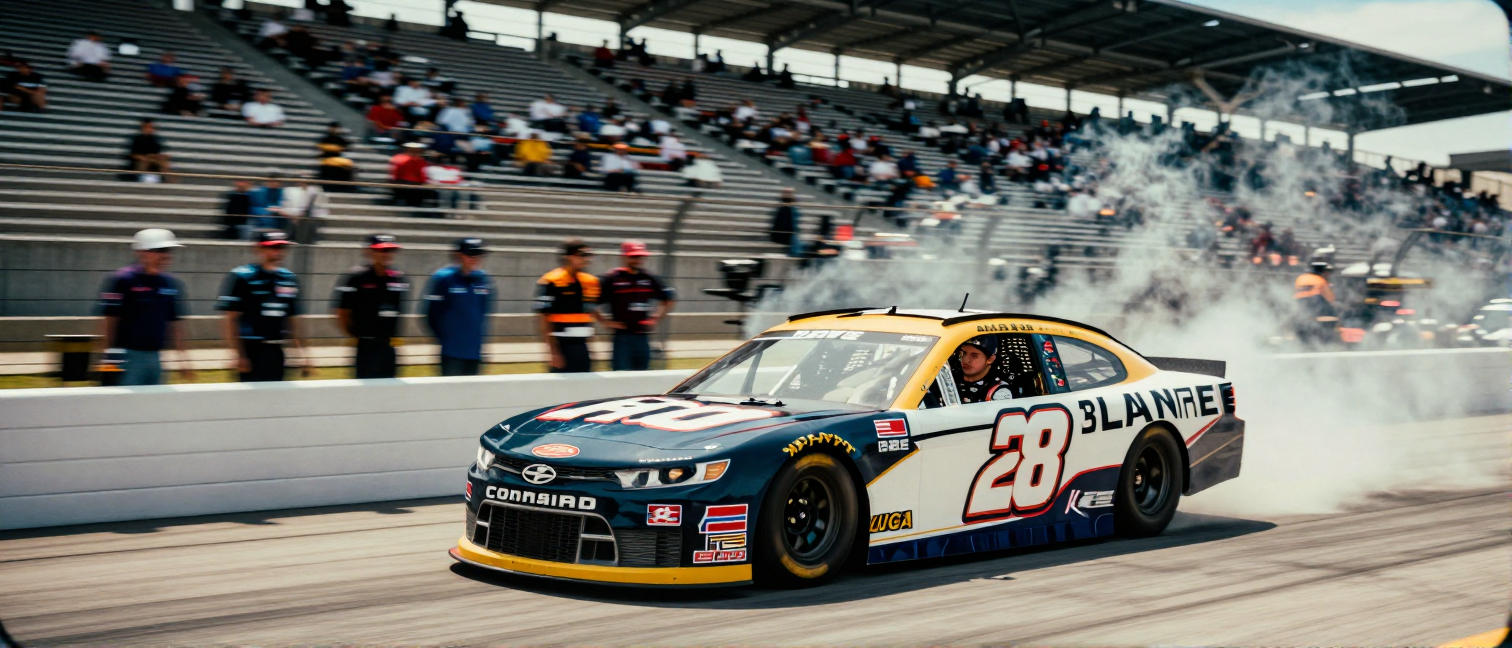
Ryan Blaney clinched a solid top‑10 finish at the Toyota/Save Mart 350 on July 6, 2026, even though his on‑track cooling suit failed him for the entire event, forcing the NASCAR star to adapt his driving style under unusually hot conditions.
What happened at Sonoma?
The 2026 Toyota/Save Mart 350 at Sonoma Raceway turned into a heat‑driven test of endurance. Blaney, piloting the No. 12 Ford Mustang for Team Penske, qualified 8th but struggled to maintain his rhythm as the cooling vest—intended to regulate body temperature—stopped working after the first green‑flag lap. Without the vest’s airflow, Blaney’s heart rate spiked, and he reported feeling “significantly hotter” than his rivals.
Despite the setback, he managed to stay within striking distance of the leaders, navigating the 2.52‑mile road course with precision. A late‑race caution shuffled the field, and Blaney seized the restart to gain three positions, ultimately crossing the finish line in 9th place, just 1.2 seconds behind the race winner.
Why the cooling suit matters for Blaney’s performance
In modern NASCAR, driver comfort technology has become a silent competitive edge. The cooling suit circulates chilled fluid to keep drivers from overheating during long green‑flag runs, especially on road courses where brake usage spikes body temperature. Blaney’s suit malfunction meant he relied solely on his natural endurance, a factor that likely cost him a few tenths of a second per lap.
Team Penske’s crew chief, Matt Borland, noted after the race that the suit’s failure was “an unexpected variable” and that Blaney’s ability to still finish in the top ten “shows his adaptability and physical conditioning.” The incident also highlighted the team’s quick decision‑making; engineers swapped the faulty unit for a backup during the pit stop, but the replacement could not be re‑installed until after the race.
How the result impacts Blaney’s championship hopes
Heading into Sonoma, Blaney sat fourth in the points standings, trailing the leader by 32 points. The 9th‑place finish earned him 31 driver points, keeping him within striking distance of the top three. A strong road‑course performance is crucial for his playoff positioning, and the solid finish, even under duress, reinforces his reputation as a versatile driver.
Analysts at Motorsport.com argue that if Blaney can avoid mechanical gremlins and stay consistent, he remains a legitimate contender for the 2026 NASCAR Cup Series championship. The Sonoma run may serve as a confidence boost, proving he can handle adversity without a major drop in pace.
What’s next for Ryan Blaney?
The next event on the calendar is the Coca‑Cola 600 at Charlotte Motor Speedway on July 13, 2026. Blaney’s team plans to run a full‑scale diagnostic on the cooling system and will likely bring an upgraded vest to prevent a repeat. Fans can expect him to push for a top‑five finish, aiming to close the points gap before the mid‑season break.
Meanwhile, the NASCAR community is buzzing about the broader implications of driver‑focused tech failures. If cooling suits become a standard safety component, teams may need to develop redundancy protocols. Blaney’s experience at Sonoma could spark a league‑wide review of equipment reliability, ensuring that drivers aren’t left vulnerable when technology falters.
Bottom line: Ryan Blaney turned a potentially race‑ending malfunction into a respectable top‑10 finish at Sonoma, keeping his championship chase alive and reminding everyone that resilience often wins the day.